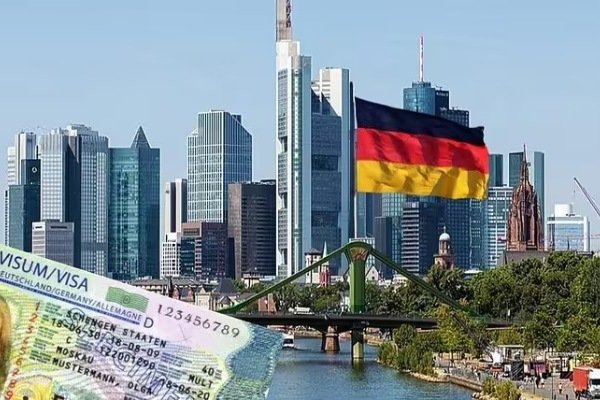
Discover how to find a job in Germany: a complete guide for immigrants looking for employment in Europe.
Germany is known as one of the most developed countries in the world, with a solid economy and an attractive job market. Because of this, many people from all around the world seek employment opportunities in this European country. Therefore, today we’ll show you how to find a job in Germany, the types of visas needed to live in Europe, tips for creating an attractive resume, and much more.
Types of visas needed to get a job in Germany
Before you start looking for a job in Germany, you need to understand the different types of visas the European country offers. There are several types of work visas, each with its own specifications and requirements:
- Work visa for skilled professionals: This visa is intended for skilled workers who hold a higher education degree or relevant professional experience.
- Work visa for professionals in high-demand fields: Professionals in fields with high labor demand, such as engineers, doctors, and scientists, can apply for this visa.
- Work visa for entrepreneurs: Entrepreneurs who wish to open a business in Germany can apply for this visa.
- Work visa for seasonal workers: Temporary workers seeking employment in sectors such as agriculture and tourism can apply for this visa.
Work visa in Germany
Obtaining a work visa in Germany is a less complicated process in some sectors and professions. Therefore, the European country relies on foreign workers to fill open positions. For example, 87% of family businesses in Germany suffered from the impact of a labor shortage.
Furthermore, according to the Institute for Employment Research, there are almost 2 million job openings in Germany (the country has over 83 million inhabitants). Thus, among the main labor shortages that the European country faces at the national level are agriculture, construction, and transportation .
However, another problem is that the German population is aging and the country has a low birth rate. Therefore, Germany has depended for years on foreign workers to keep its economy running.
How to look for a job in Germany
There are several ways to look for job opportunities in Germany. Some of the main ways to find employment in Germany are:
- Job sites: There are several online platforms specializing in job searching, such as StepStone, JobBlitz, Indeed , and Monster.
- Recruitment agencies: Recruitment companies can help you find job openings in your field and often facilitate the hiring process.
- Social media: Using social media platforms like LinkedIn can be an excellent way to find job opportunities and establish professional connections. Create your profile in English or German and start following companies you are interested in working for in Germany.
- Job fairs: Job fairs are events where companies and candidates meet to discuss job opportunities. These fairs can be held both in person and online. Frankfurt, for example, is a city that hosts several fairs throughout the year.
Read Also: Germany Opportunity Card – New Visa Permits Employment Hunt Without An Offer
Salary in Germany
Currently, the minimum wage in Germany is €2,128, or €13.90 per hour for unskilled workers, and €2,368, or €14.80, for skilled professionals.
Creating an attractive CV for Europe
A well-crafted resume is essential for making a good impression on German employers. Some important tips for creating an attractive resume for working in Germany are:
- Clear structure: Organize your resume into well-defined sections, such as contact information, work experience, education, and skills.
- Personalize your resume: Adapt your resume for each desired position, highlighting the experiences and skills most relevant to the job.
- Use keywords: Include keywords related to the job and your field to make it easier for recruiters to identify you. Example: proficiency in program X, experience in App Development, etc.
- Language: If possible, prepare your resume in German, demonstrating your knowledge of the language and increasing your chances of success. If you are not fluent in German, use English and mention your interest in learning German. Many companies pay for German courses for their employees.
Tips for job interviews in Germany
Once your resume is selected, you will proceed to the job interview stage. To do well in a job interview in Germany, follow these tips:
- Research the company: Before the interview, find out about the company and its industry. This demonstrates interest and preparedness.
- Wear appropriate clothing: Appearance is important in German culture. Dress formally and appropriately for the position.
- Be punctual: Punctuality is highly valued in Germany. Arrive early for the interview to avoid unforeseen circumstances.
- Demonstrate professionalism: Act professionally during the interview, maintaining a serious demeanor and answering questions clearly and objectively.
- Prepare questions: At the end of every interview, it is normal for most interviewers to ask if you have any questions. Prepare some relevant questions about the position and the company; this shows interest in the job.
Changes to German immigration laws
In recent years, Germany has made continuous changes to its immigration laws in an effort to facilitate access to the labor market for refugees and foreigners. However, despite all the changes, the labor market in the European country still faces difficulties with vacancies in specific areas that remain open to foreign workers with training or experience.
Furthermore, the EURES network also provides a report on labor shortages and surpluses. This shows that foreigners intending to live and work in Germany can benefit from this labor shortage and begin the process of obtaining a work visa in Germany. See below for the sectors that need more qualified workers:
- Livestock farming
- Forestry
- Horticulture
- Tire technology and vulcanization
- Wood, furniture, interior decoration
- Metallurgy
- Automation
- Surveying, scaffolding
- Interior construction and drywall
- Glass
- Gas pipeline construction
- Construction of facilities, containers and equipment.
- Monitoring and maintenance of railway infrastructure.
- Freight forwarding and logistics
- Drivers for earthmoving and related machinery
- Sales (furniture, accessories)
- Sales
- System catering
- Pharmaceutical technical assistants
- Bus and tram drivers
Adapting to German work culture
After securing a job in Germany, it’s important to adapt to the local work culture. Here are some characteristics of German work culture:
- Professionalism: German work culture is known for its professionalism and formality. Maintain a serious and professional demeanor in the workplace.
- Hierarchy: German companies typically have a well-defined hierarchical structure. Respect the authority of your superiors and follow the instructions you receive.
- Punctuality: Punctuality is considered very important in Germany. Always arrive on time for meetings and meet deadlines.
- Efficiency: Germans value efficiency at work. Organize yourself and stay focused on tasks to fulfill your responsibilities efficiently.
Learn German to improve your chances in the job market.
Mastering the German language is essential to increase your chances of success in the German job market. Prepare to live in Germany, study the language, and check out tips for learning German faster:
- Take language courses: Enroll in a German course, either in person or online. There are many language schools and online platforms that offer courses for different proficiency levels.
- Daily practice: Dedicate some time every day to practicing German, whether by reading, writing, listening, or speaking. Listen to German radio, listen to music, watch movies and series to learn the language and expand your vocabulary.
- Language exchange: You can also do a language exchange with native German speakers, where you can practice each other’s language. This practice will also help improve your communication skills and cultural understanding.
- Study materials: Use books, videos, podcasts, and apps to study German. This will help expand your vocabulary and improve your listening comprehension.
- Participate in study groups: Join German study groups where you can practice the language and learn from other students.
Working in Germany: Recognition of qualifications and diplomas
To work in Germany, you may need to have your qualifications and diplomas recognized. This process varies depending on your field of work and the type of diploma. Here’s how to facilitate the recognition of your qualifications:
- Find out about the process: Research the process for recognizing diplomas and qualifications in your field in Germany and whether it is required in your area.
- Document translation: Arrange for certified translations of your diplomas and certificates into German or English, depending on the requirements.
- Hague Apostille: Check if your documents need to be apostilled, a process that authenticates the origin of a public document.
- Responsible bodies: Contact the bodies responsible for the recognition of qualifications in Germany, such as ANABIN, to obtain detailed information about the process and the necessary documents.
Working in Germany: Benefits and employment rights in Germany
To work in Germany, it’s important to know your rights and benefits as an employee. Some of the main employment benefits in this European country are:
- Minimum wage in Germany: Germany has a national minimum wage, guaranteeing fair compensation for workers.
- Working hours: The working week in Germany is generally 40 hours, with breaks and intervals allowed.
- Paid vacation: Workers in Germany are entitled to a minimum of 20 working days of paid vacation per year.
- Maternity leave and paternity leave: Germany offers paid maternity and paternity leave for working parents.
- Social security: Workers in Germany have access to a comprehensive social security system, which includes health insurance, workers’ compensation insurance, pension insurance, and unemployment insurance.
- Protection against dismissal: In Germany, there are strict laws protecting against dismissal, ensuring that workers are not dismissed without just cause.
Cost of living in Germany
Before moving to Germany, it’s important to assess the cost of living in the country and which cities are best for families or living alone. Some of the main expenses to consider include:
- Housing: The cost of housing in Germany varies depending on the city and type of accommodation. Generally, larger cities, such as Berlin and Munich, have higher housing costs than smaller cities.
- Food: Food expenses in Germany are relatively affordable, especially if you choose to cook at home and buy groceries at local supermarkets.
- Transportation: The public transportation system in Germany is efficient and comprehensive, including trains, buses, and subways. The cost of public transportation varies depending on the city and the type of ticket.
- Education: If you have children, you should consider the cost of education in Germany. While public education is free, international and private schools can have significant tuition fees, so research the best school options.
- Leisure: Expenses related to leisure, such as restaurants, cinemas, and cultural activities, should also be taken into account when calculating the cost of living in Germany; they vary depending on the city chosen.
Working in Germany: Building Networks
Establishing a professional network is crucial for finding job opportunities and integrating into the German job market. Here are some tips for building your network in Germany:
- Participate in professional events: Attend job fairs, conferences, and workshops related to your field to meet other professionals and potential employers.
- Professional groups and associations: Join professional groups and associations related to your field. This will allow you to make connections and stay up-to-date on industry trends and opportunities.
- Social media: Use social media platforms like LinkedIn to connect with professionals in Germany and share your experiences and achievements.
- Volunteering and temporary work: Doing volunteer or temporary work in your field can help you meet other professionals and develop skills relevant to the German job market.
Read Also: Scholarships in Germany – A Guide to Studying in Germany for FREE
With this information about working in Germany, start your job search in the country. Now you will be better prepared to face the challenges of finding a job in Germany and adapting to the local work culture. Remember that success in this process requires dedication, persistence, and a constant pursuit of improvement and learning. Good luck on your journey and check back here daily for new job openings!